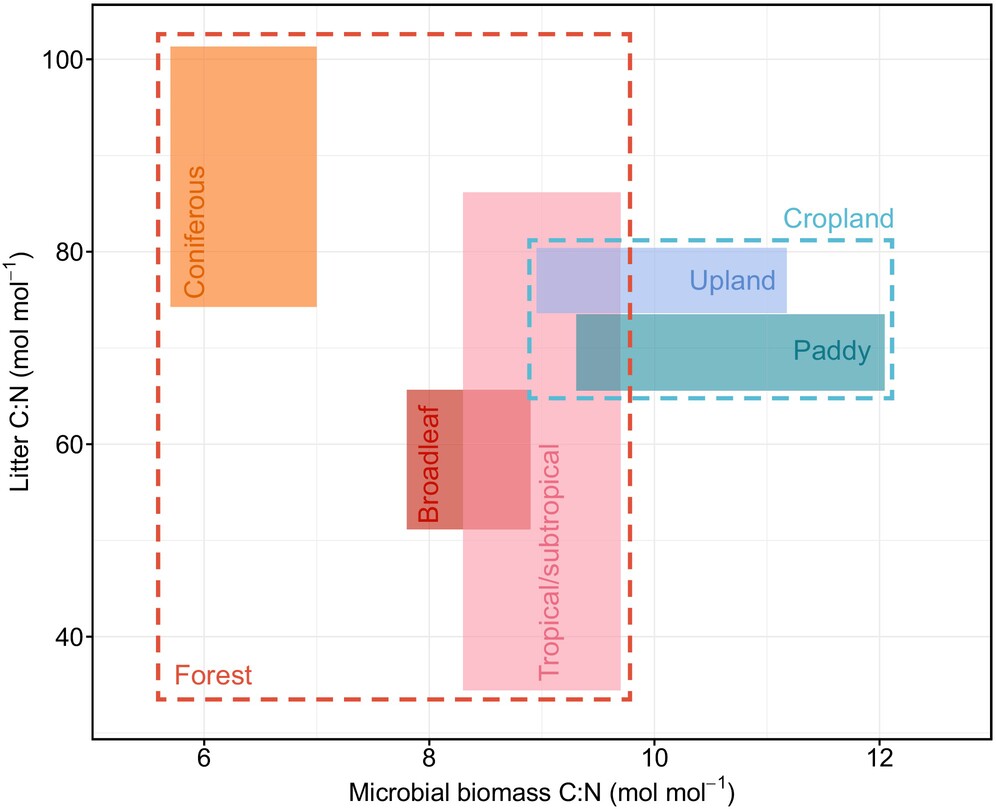
My research is centered on biogenic element cycling and stoichiometric balance, with interest in the homeostatic mechanisms that stabilize elemental ratios in organisms and ecosystems. I explore the downstream consequences of stoichiometric imbalance, including shifts in ecosystem productivity, nutrient constraints, and adaptive capacity. // Editor for Global Change Biology, Journal of Ecology, Functional Ecology, Engineering Agriculture, Science Bulletin (Youth), and The Innovation (Youth).
I. Theoretical Reframing: Dynamic Ecological Stoichiometry.
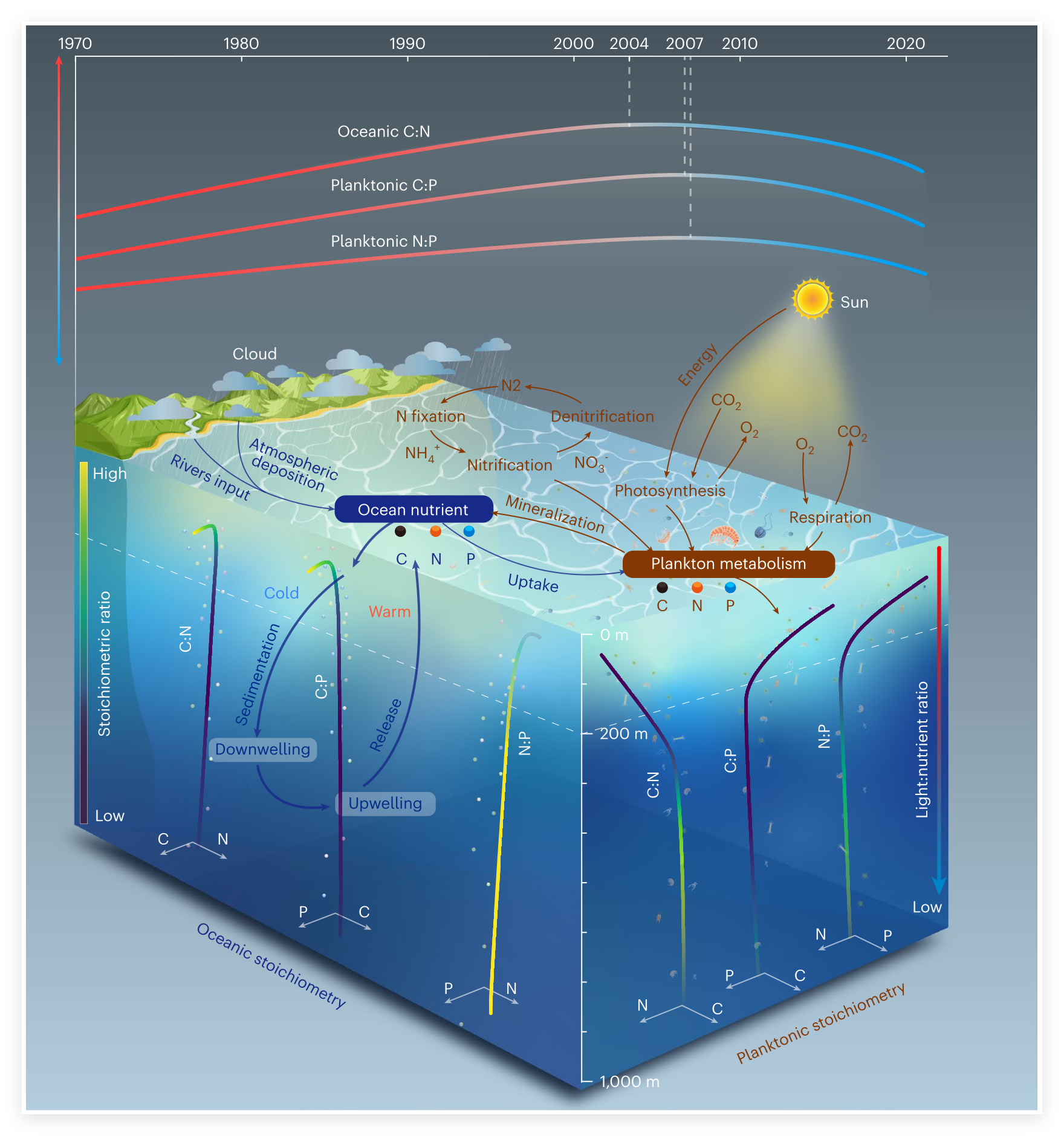
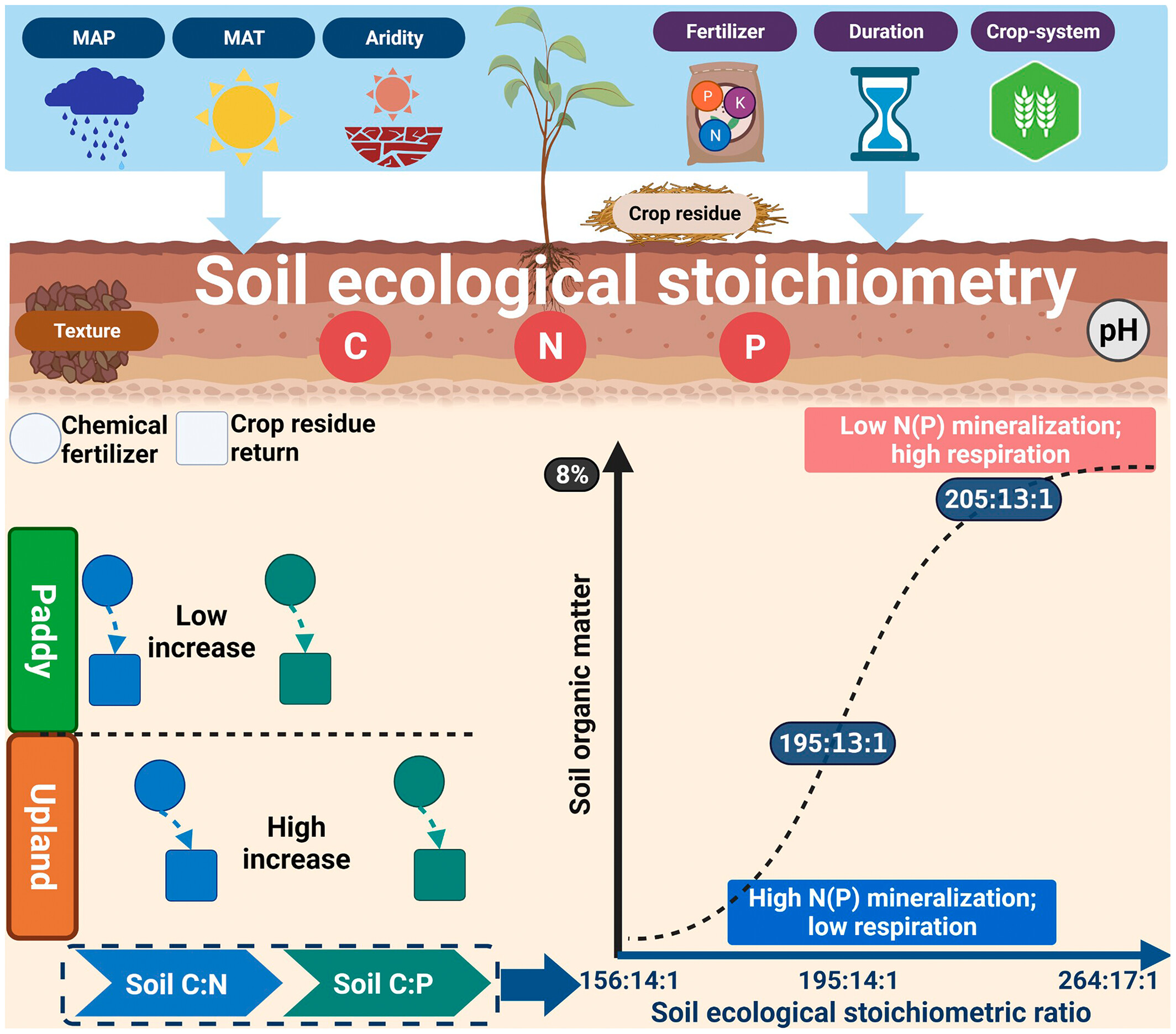
This direction challenges the static Redfield paradigm in the Anthropocene by synthesizing long‑term, multi‑interface global datasets to unravel the spatiotemporal drift of C:N:P ratios and their underlying drivers. It aims to develop region‑specific, dynamic stoichiometric parameterizations that replace fixed canonical ratios, providing updated theoretical boundaries and parametric constraints for Earth system models.
II. Process Mechanisms: Multi‑interface Stoichiometric Cascades and Threshold Diagnostics. Using catchments as natural experimental units, this direction integrates high‑frequency hydrological and biogeochemical monitoring with tracer techniques to elucidate how soil stoichiometric signals propagate through hydrological pathways (e.g., baseflow, surface runoff) to receiving waters. It seeks to identify critical environmental thresholds—such as soil C:P ratios and catchment area inflection points—that govern regime shifts from gradual change to abrupt response, and to establish early‑warning models that account for time‑lag effects.
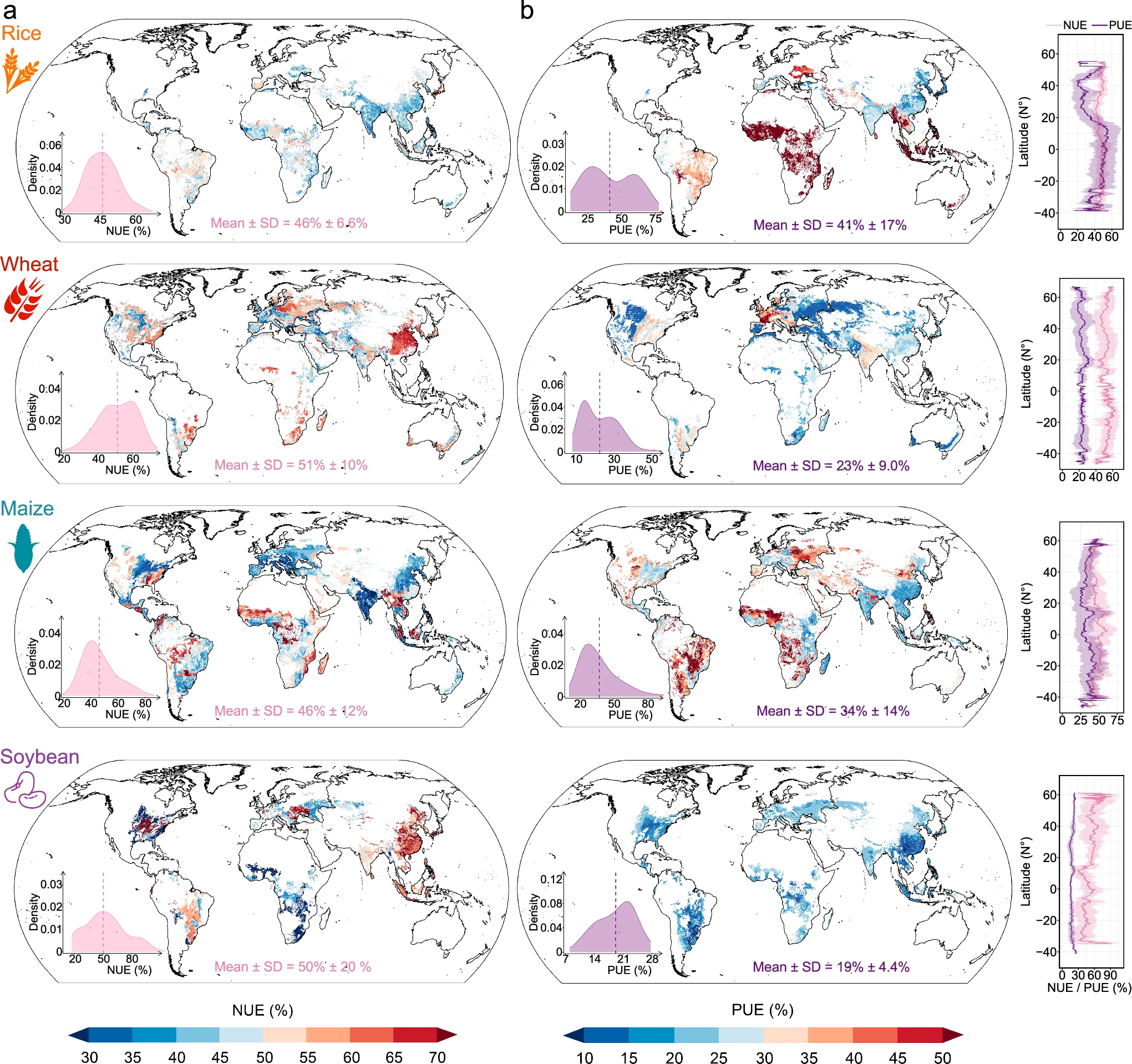
III. Application Pathways: Stoichiometry‑Based Regulation and Synergistic Optimization in Agro‑Environmental Systems. Targeting the green transformation of agriculture, this direction operationalizes stoichiometric balance through a causal chain of “diagnosis → co‑limitation alleviation → synergistic enhancement.” By constructing high‑resolution global maps of nutrient use efficiency and surplus risk, it quantifies the synergy‑tradeoff space among yield stability, carbon sequestration, and pollution mitigation under diverse scenarios. The ultimate goal is to develop multi‑scale decision‑support tools that reconcile food security with ecological safety.
Interconnection Among the Three Directions. Theoretical reframing defines the fundamental “rules” and supplies boundary conditions for mechanistic inquiry. Mechanistic diagnostics reveal how stoichiometric signals propagate and abruptly shift, offering actionable targets and thresholds for application. Application pathways, in turn, test theoretical predictions with real‑world data, feed back empirical constraints, and iteratively refine both mechanistic models and theoretical parameterizations—forming a closed loop of discovery, validation, and adaptive management.
1) 2024-2026 Shaanxi Provincial Science and Technology Rising Star. PI.
2) 2025-2027 The Three Qin Talents Introduction Program. PI.
3) 2026-2030 NSFC: Characteristics of Soil Legacy Nitrogen and Its Mechanism of Influence on Runoff Nitrogen Load. PI.
4) 2025-2027 Marie Sklodowska-Curie Fellow. PI.
5) 2024-2027 Chinese Academy of Sciences Hundred Talent Program. PI.
6) 2021-2025 CCNU Talent Introduction Start-up Funding: Patterns and formation mechanisms of soil organic carbon in the Jianghan Plain. PI.
7) 2022-2024 NSFC: Processes and mechanisms of legacy nitrogen export from subtropical agricultural catchments. PI.
8) 2022-2023 Alexander von Humboldt Foundation: Legacy nitrogen tracing in agricultural catchments. PI.
9) 2021-2023 Open Fund for Key Laboratories of CAS (ISA2021101): Spatio-temporal heterogeneity of nitrogen loss-transport-removal processes in agricultural catchments. PI.